


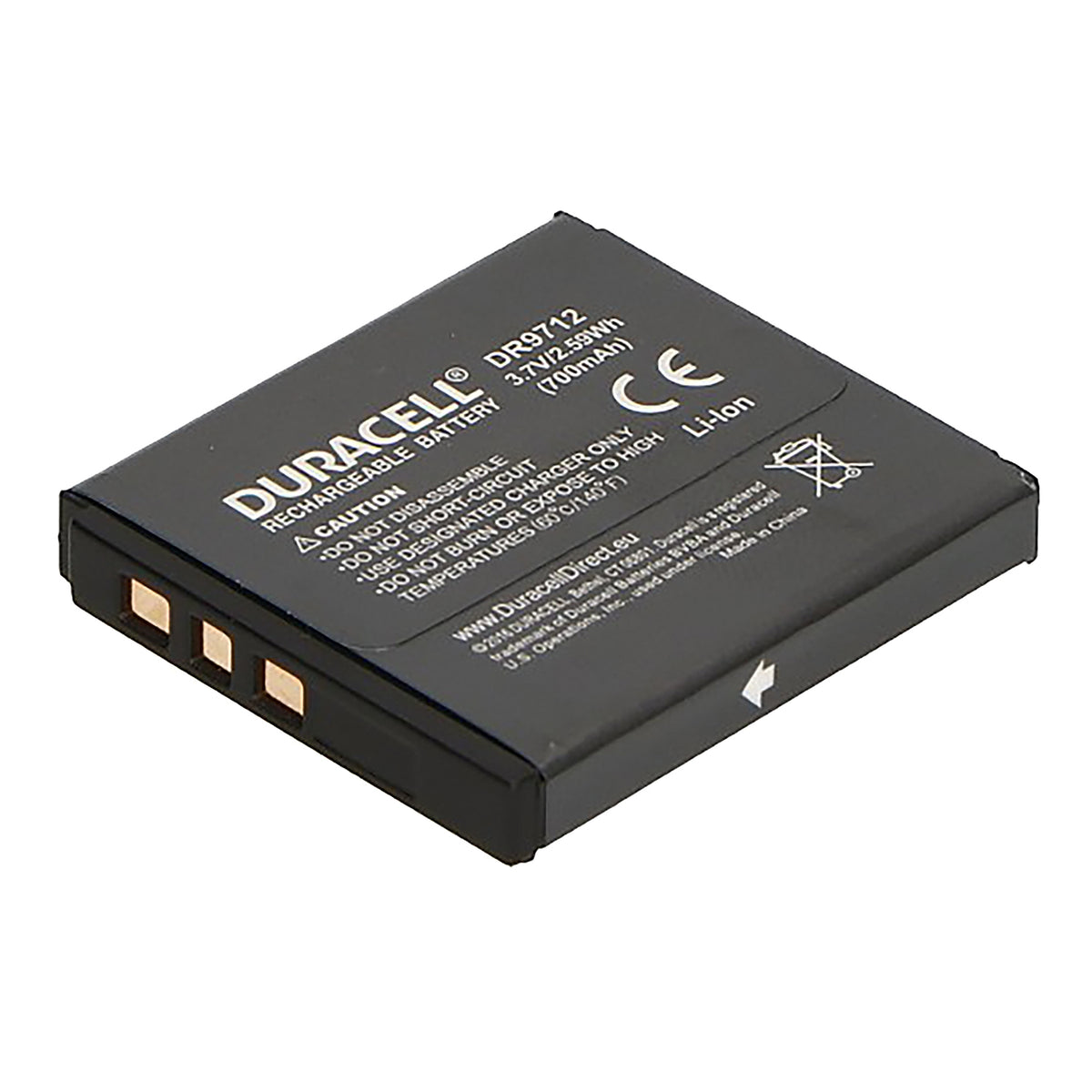
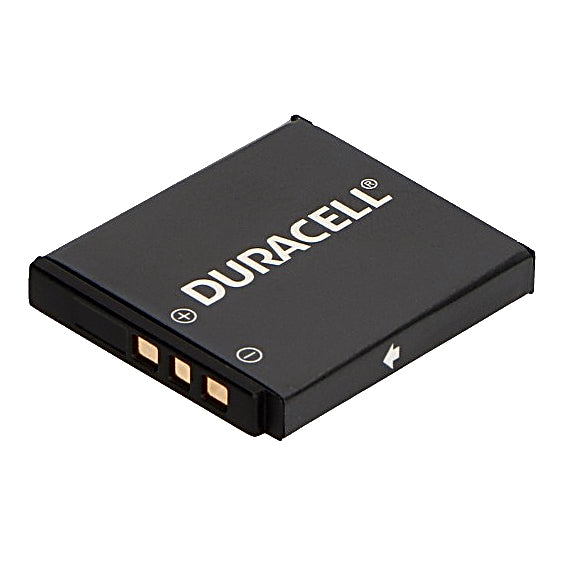
Kodak KLIC-7001 Camera Battery by Duracell
When you're documenting a family gathering or working through a paid assignment, the last thing you need is your camera dying mid-session. A depleted battery doesn't just interrupt the shoot, it can mean losing the shot entirely, especially when you're covering unrepeatable moments or working in locations where mains power isn't an option. This Duracell KLIC-7001 equivalent lithium-ion cell gives you a backup power source that matches or exceeds the performance of the original Kodak battery, so you can keep shooting without compromise.
Why a Spare Battery Matters
Most camera bodies ship with a single battery, and that's rarely enough for a full day's work. Wedding photographers routinely burn through two or three cells during a ceremony and reception. Travel shooters working across multiple time zones often can't rely on finding a compatible charger or a safe charging window. Even casual users discover that a morning at the zoo or an afternoon hike can drain a battery faster than expected, particularly in cold weather when lithium-ion chemistry loses efficiency. Carrying a second battery means you swap and continue rather than pack up early. It's the difference between capturing the entire event and missing the final hour because you were tethered to a wall socket.
Lithium-Ion Chemistry and What It Delivers
This cell uses lithium-ion technology, the same chemistry found in the manufacturer's own batteries. Lithium-ion offers a high energy density relative to its physical size, which is why modern digital cameras can run for hundreds of exposures on a compact pack. Unlike older nickel-metal hydride cells, lithium-ion batteries have no memory effect, you can top them up at any point in the discharge cycle without degrading long-term capacity. They also hold their charge during storage, so a battery left in your bag for a month will still have most of its power when you need it. One characteristic worth noting: lithium-ion cells typically reach their peak performance after three full discharge and recharge cycles. They work straight out of the packaging, but you'll notice slightly longer runtimes and more consistent voltage delivery once the chemistry has stabilised through a few uses.
Built to Match OEM Standards
Duracell engineers these replacement batteries to meet or surpass the specifications of the original equipment manufacturer's cell. That means equivalent voltage, comparable capacity, and the same physical footprint so the battery seats correctly in your camera's compartment and communicates properly with the body's power management system. The brand has been manufacturing batteries for over nine decades, and that institutional knowledge translates into cells that deliver stable voltage across the discharge curve, your camera won't start throwing low-battery warnings prematurely or shut down unexpectedly when the gauge still shows charge remaining. The 2-year limited warranty covers manufacturing defects, which gives you recourse if a cell fails outside normal wear parameters.
Real-World Runtime Expectations
How many shots you'll get per charge depends on several variables: whether you're using the rear LCD or the electronic viewfinder, how often you're reviewing images, whether you're shooting stills or video, and the ambient temperature. Video drains a battery faster than stills because the sensor and processor are active continuously rather than in short bursts. Cold weather reduces lithium-ion efficiency, a battery that gives you 400 shots at 20 °C might deliver only 250 at 0 °C. That's not a defect; it's chemistry. If you're shooting in winter conditions, keep your spare battery in an inside pocket close to your body so it stays warm until you need it. For typical mixed use, a combination of stills, occasional video clips, and regular image review, expect several hundred actuations per charge. Heavy video users should plan on shorter intervals between swaps.
When to Replace Rather Than Repair
Batteries are consumables. Even a well-maintained lithium-ion cell will lose capacity over time as the internal chemistry degrades through repeated charge cycles. Most cells retain around 80 percent of their original capacity after 300 to 500 full cycles, then the decline accelerates. If your original battery is several years old and no longer holds a useful charge, replacing it is more practical than trying to nurse it along. A fresh cell restores your camera to its original runtime, and having two batteries in rotation means you're never stuck waiting for a charge when you need to shoot.
This Duracell KLIC-7001 equivalent battery is a straightforward, reliable solution for photographers and videographers who need dependable backup power. It's built to the same standards as the original Kodak cell, backed by a brand with a long-standing reputation for power products, and priced to make carrying a spare a practical decision rather than a luxury. Whether you're covering an event, travelling without guaranteed access to charging infrastructure, or simply want the confidence that comes from having a second battery in your kit, this cell does the job without drama. For more details on compatibility and technical specifications, refer to product DR9712.