




K&F Beta-Shooter Blue Versatile Retro Flare Camera Bag
Photographers working across multiple environments need a bag that adapts without compromise. The K&F Concept Beta-Shooter addresses this through a layout that prioritises immediate visibility and rapid reconfiguration. At 20 litres, the capacity sits in the sweet spot for professionals who carry one or two bodies with three to four lenses, plus essential accessories and a laptop. The design avoids the bulk of expedition packs while offering substantially more structure and protection than messenger-style alternatives. This makes it particularly effective for event coverage, urban documentary work, and travel assignments where you move frequently between locations and need gear that transitions seamlessly from transport to active shooting.
Rear-Panel Opening Changes How You Work
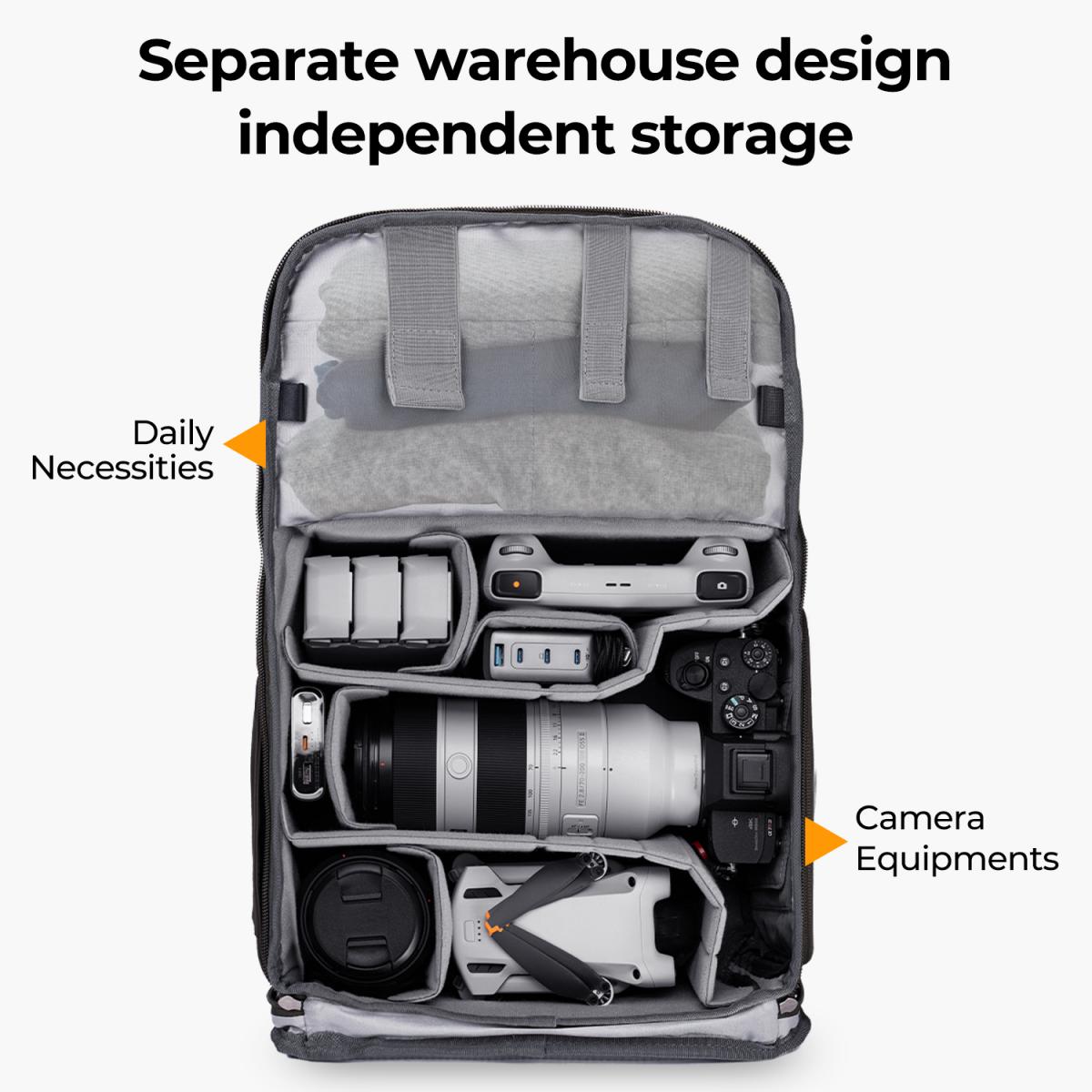
The defining characteristic of this backpack is its full rear-panel zip system. Unlike top-loading designs that force you to stack gear vertically and dig through layers to reach what you need, this approach exposes the entire interior in one motion. Lay the bag flat on any surface and you see every piece of equipment simultaneously. This visibility transforms how you pack and repack between shoots. You can position a 70-200mm alongside a wide prime, nestle a flash unit into the corner, and still have clear sight lines to batteries and memory cards stored in mesh pockets along the inner wall. The system eliminates guesswork and reduces the handling time that accumulates across a day of shooting. For airport security or client meetings where you need to demonstrate what you're carrying, the rear opening provides instant transparency without disturbing your layout.
Side access remains available for moments when you're wearing the pack and need to extract your camera body quickly. The right-hand panel unzips to reveal the main compartment, allowing you to draw your primary setup without removing the bag from your shoulders. This dual-access architecture means you're never forced to choose between speed and comprehensive organisation. Use the side entry during active shooting phases, then switch to the rear panel when you need to swap lenses, reorganise dividers, or verify that everything is secure before moving to the next location.
Materials Chosen for Longevity Under Stress
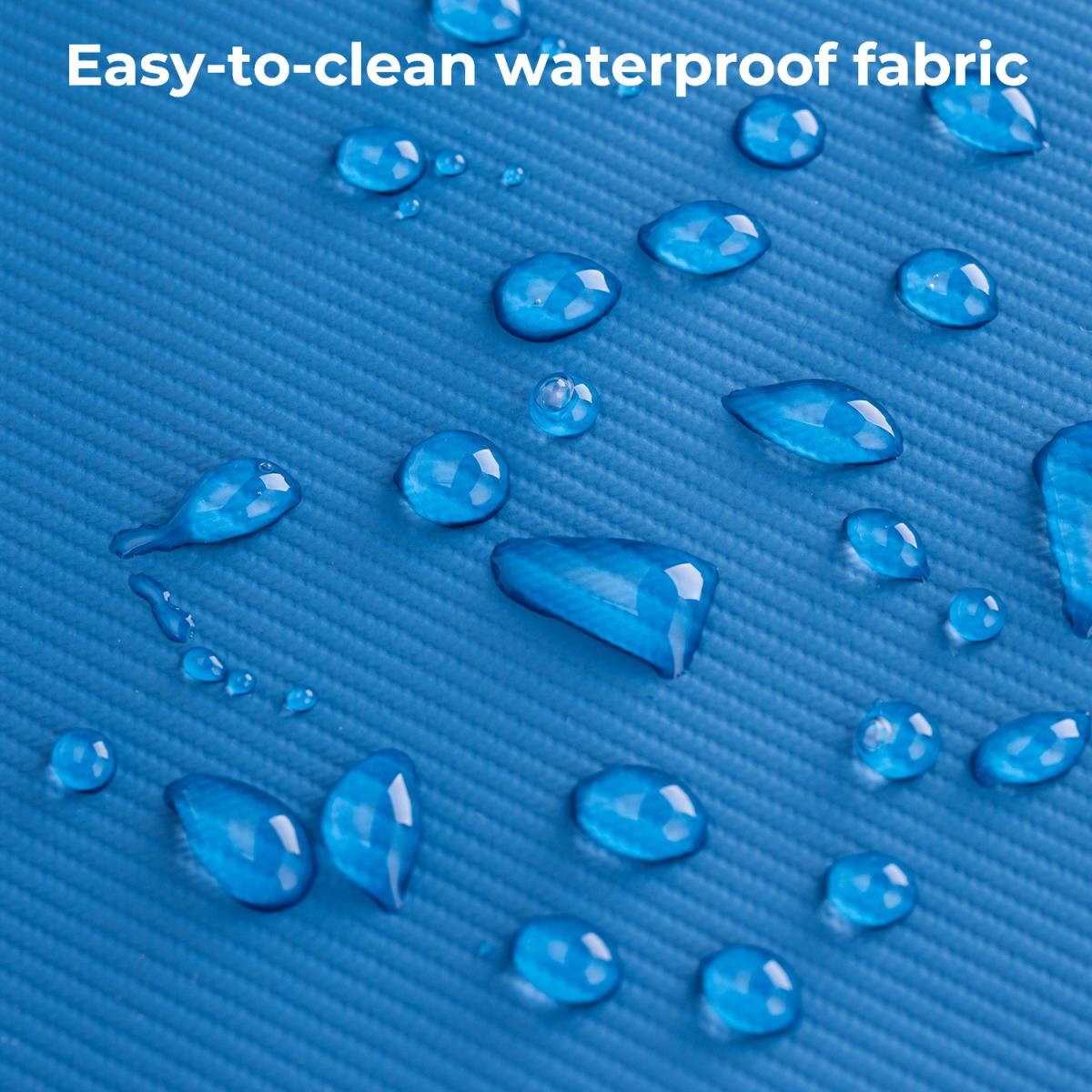
The outer shell uses 900-denier high-density nylon treated with a water-repellent finish. This specification reflects a deliberate trade-off: the material is heavy enough to resist abrasion from rough surfaces and repeated contact with walls, vehicle interiors, and outdoor terrain, yet light enough to keep the overall pack weight at 1.7 kilograms. Reinforced stitching at every stress point,shoulder strap anchors, base corners, zipper tracks,ensures the bag maintains structural integrity even when loaded to capacity. The base panel receives additional reinforcement to handle ground contact on concrete, gravel, and wet surfaces without wearing through.
Inside, dense foam padding lines every wall and divider. The padding thickness is calibrated to absorb impact without adding excessive bulk, so the bag remains compact while still protecting against drops and collisions. Dividers are covered in a soft, non-scratch fabric that won't mark lens barrels or camera bodies during transport. Each divider attaches via hook-and-loop strips that hold firmly but release cleanly when you need to reconfigure the layout. The laptop compartment, sized for devices up to 15.6 inches, sits against the back panel in a suspended position that isolates it from external pressure. This placement prevents the laptop from bearing the weight of the main compartment's contents and shields it from impacts to the bag's exterior.
The included rain cover deploys quickly and wraps the entire pack, adding a second layer of weather protection beyond the shell's inherent water resistance. This redundancy matters during extended outdoor shoots where rain, dust, or humidity can compromise equipment over time. The cover stores in a dedicated zippered pocket at the base, so it's always accessible and won't get separated from the bag.
Comfort Engineering for Extended Carry
Camera gear is dense. A modest kit,two bodies, three lenses, a flash, and a laptop,can easily exceed 8 kilograms before you add cables, batteries, and accessories. The Beta-Shooter distributes this load through wide, contoured shoulder straps that spread weight across a larger surface area, reducing pressure concentration on the shoulders and upper back. The straps are padded with high-density foam that compresses slightly under load but doesn't collapse, maintaining consistent cushioning throughout the day.
The back panel incorporates ice-mesh ventilation channels that allow air to circulate between the pack and your back. This design reduces heat accumulation during warm-weather shooting or when moving quickly between locations. The mesh pattern is raised slightly from the main panel, creating airflow gaps that remain effective even when the pack is fully loaded and pressed against your body. An adjustable sternum strap locks the shoulder straps in position, preventing them from sliding outward during movement and keeping the load centred over your torso. This stabilisation is particularly noticeable when walking long distances or navigating uneven terrain.
Modular Interior Adapts to Changing Kits
The divider system inside the main compartment supports a wide range of configurations. A typical setup might include a central divider creating two vertical sections, with cross dividers subdividing each section to accommodate specific lenses and bodies. If you're carrying a 24-70mm, 70-200mm, and a 50mm prime alongside two camera bodies, you can create five distinct compartments sized precisely for each item. The dividers are tall enough to keep lenses upright and prevent them from tilting into adjacent spaces during transport.
For shoots requiring bulkier equipment,a gimbal, drone, or large flash modifier,you can remove dividers entirely to create an open cavity. This flexibility extends the bag's utility beyond traditional camera work into hybrid roles where you're carrying a mix of photo, video, and audio gear. The dividers store flat when not in use, so you can carry them separately if you anticipate needing to reconfigure mid-assignment.
Mesh pockets along the interior walls provide organised storage for smaller items that would otherwise migrate to the bottom of the main compartment. Batteries, memory cards, lens caps, and cleaning cloths each have a designated space that keeps them visible and prevents them from scratching against lenses or camera bodies. These pockets are sized to prevent overstuffing, which helps maintain the bag's overall shape and ensures the main compartment remains accessible.
Exterior Attachment Points Expand Capacity
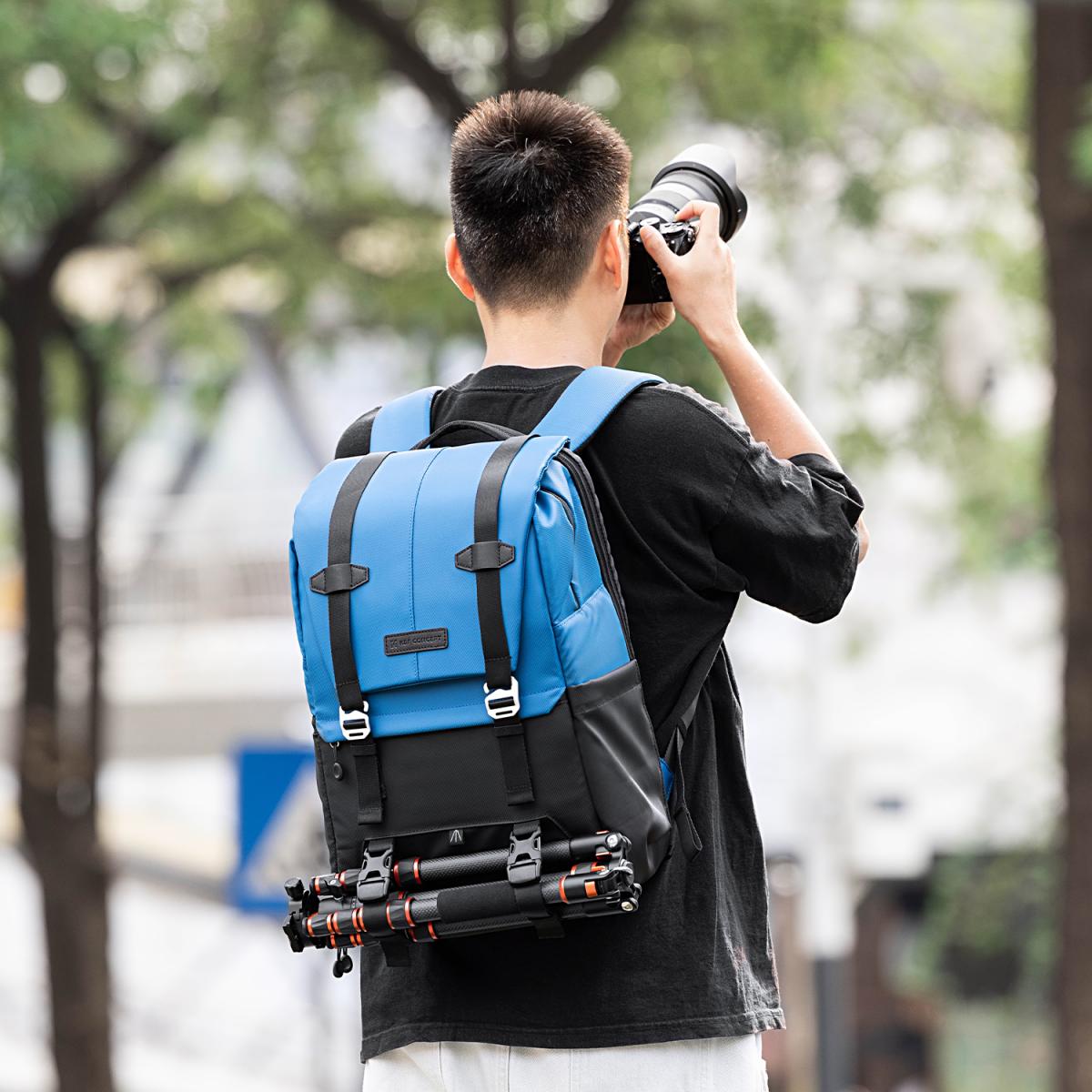
The front of the pack features a tripod carry system using adjustable straps and quick-release buckles. The straps accommodate tripods of varying diameters, from compact travel models to mid-sized aluminium or carbon-fibre units. The lower strap secures the tripod legs, while the upper strap stabilises the head, preventing lateral movement during transport. This external carry keeps the tripod accessible without consuming interior space, allowing you to dedicate the main compartment entirely to camera gear.
Side pockets constructed from stretch mesh hold water bottles, lens pouches, or other items you need to reach without opening the main compartment. The elastic material expands to accommodate different bottle sizes and contracts when empty to maintain a streamlined profile. Additional anchor points along the top and sides of the pack accept carabiners or accessory straps, giving you the option to attach extra gear as needed.
Design Language and Professional Presentation
The Beta-Shooter's blue finish and minimal branding create a professional appearance that avoids calling attention to the bag's contents. This subtlety is intentional,photographers working in public spaces or sensitive environments benefit from gear that doesn't broadcast its value. The clean lines and understated aesthetic allow the bag to function equally well in corporate settings, outdoor locations, and urban environments without appearing out of place.
Zippers are heavy-duty YKK units chosen for their smooth operation and resistance to jamming under load. Pulls are large enough to operate while wearing gloves, and the zipper tracks are reinforced to prevent separation under stress. The top carry handle is padded and stitched directly into the main structure, allowing you to lift the fully loaded pack without concern for handle failure.
Why This Configuration Works
The shift from drawer-based access to a full rear-panel opening reflects a fundamental rethinking of how photographers interact with their bags. Drawers add weight, introduce mechanical failure points, and limit how you can arrange gear. A flat-open design eliminates these compromises while improving visibility and reducing pack time. Combined with retained side access, the result is a system that supports both deliberate organisation and rapid response.
For photographers moving between assignments throughout the day,corporate portraits in the morning, event coverage in the afternoon, street photography in the evening,this adaptability removes friction from the workflow. You're not fighting the bag to access what you need; you're working with a tool designed around how you actually shoot.
The K&F Concept Beta-Shooter Camera Backpack delivers the protection, organisation, and carry comfort required for professional photography across diverse environments. Its rear-panel access, modular interior, and durable construction make it a dependable choice for photographers who need one bag to handle multiple roles. Explore the Beta-Shooter,KF13.087AV7,and experience how thoughtful design improves every aspect of your working day.