
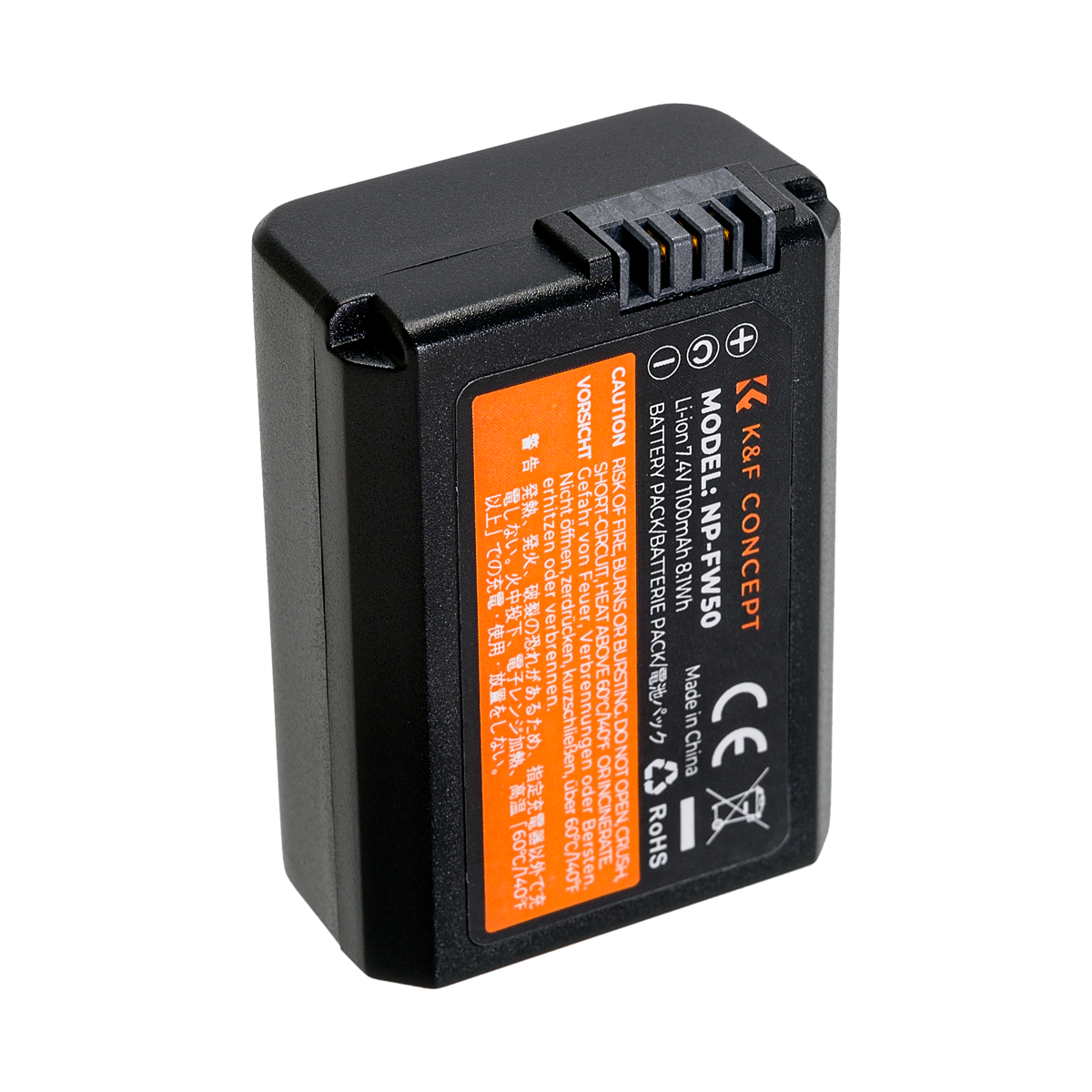
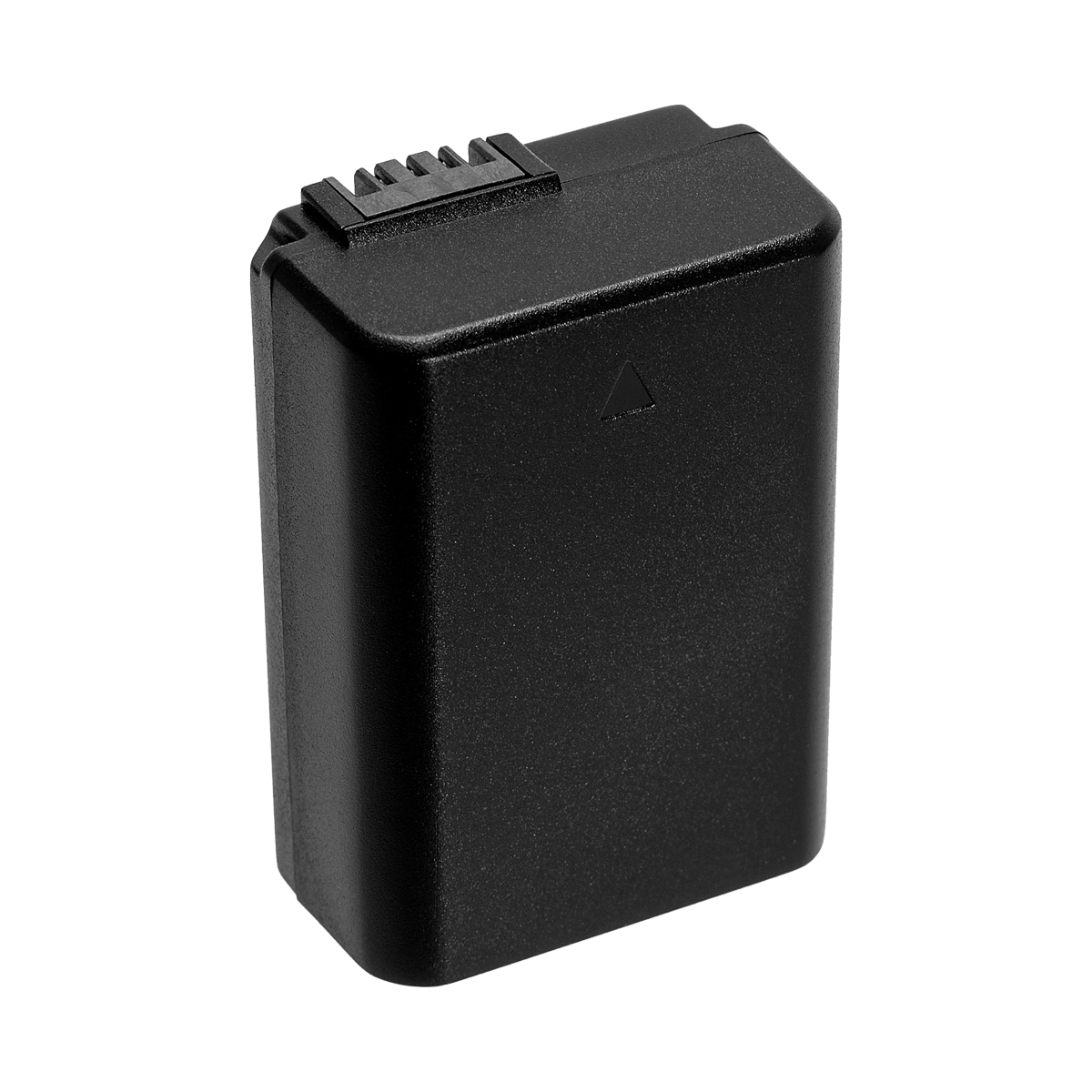
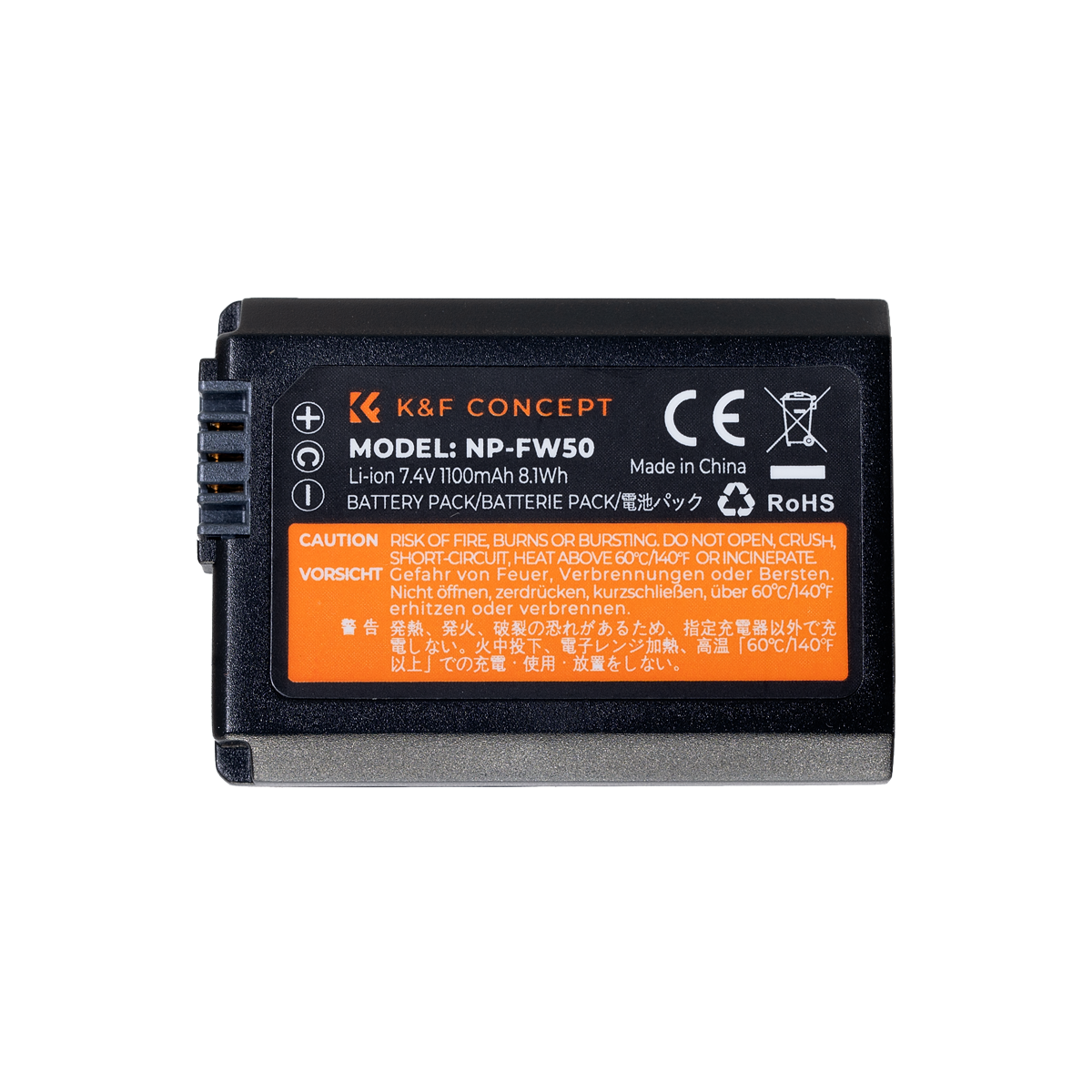


K&F FW-50 Camera Battery for Sony Cameras
When your camera's power indicator drops into the red during a critical shoot, the difference between capturing the moment and missing it entirely comes down to whether you packed a spare. This K&F Concept lithium-ion cell delivers 1100mAh of working capacity, measurably more than Sony's own FW-50, which translates to several hundred frames or extended video recording before you need to swap it out. For photographers working events, travel assignments, or any scenario where mains power isn't accessible for hours at a stretch, carrying a second or third battery stops being optional and starts being basic field discipline.
Capacity and Real-World Runtime
The 1100mAh rating isn't marketing fluff; it's the actual energy reservoir available to your camera's sensor, processor and display. In practical terms, that means more frames per charge cycle than the manufacturer's original cell, which matters most when you're shooting continuously, think ceremony coverage, wildlife sequences, or run-and-gun documentary work where you can't afford to pause and swap batteries mid-action. Lithium-ion chemistry holds voltage consistently across the discharge curve, so your camera maintains full performance right up until the cell is genuinely depleted, rather than throttling autofocus or burst rates as older chemistries did when they started to sag.
It's worth noting that lithium-ion cells typically hit their stride after three full discharge-and-recharge cycles. Straight out of the packaging, performance is good; after a handful of uses, you'll notice the runtime settling into its optimal range. This isn't a defect, it's the nature of the chemistry as the internal structure stabilises. Top the battery up fully before its first outing, then use it normally; by the third cycle, you'll be seeing its true capability.
Why Spares Matter More Than You Think
A single battery might suffice for a casual afternoon shoot, but the moment you're working to a brief, a client event, a paid assignment, a once-off travel opportunity, the risk profile changes. Running out of power halfway through means you're either scrambling for a wall socket (rarely available when you need one) or you've simply stopped shooting. Neither outcome is acceptable when the work matters. Carrying two or three charged cells in your bag removes that entire category of risk. You shoot until the job is done, not until the battery dies.
This becomes especially relevant in cold conditions, where lithium-ion performance drops noticeably. A battery that gives you 400 shots at 20 °C might only manage 250 at −5 °C. If you're shooting winter landscapes, ski events, or anything outdoors in colder months, factor in reduced runtime and pack accordingly. The cell itself isn't damaged by the cold, performance recovers once it warms up, but planning for the temporary capacity loss prevents unpleasant surprises in the field.
Safety, Certification and Longevity
This cell meets CE and RoHS compliance, which means it's passed the European Union's safety and environmental standards for electronic components. That's not a trivial checkbox; it's verification that the internal protection circuitry, thermal management and chemical composition are within safe operating parameters. Lithium-ion batteries store a lot of energy in a small package, so proper engineering matters. Never puncture the casing, never expose the cell to water, and keep it away from heat sources above 60 °C, those are the non-negotiable rules for safe handling.
Lithium-ion cells have no memory effect, which was the curse of older nickel-cadmium batteries. You can top up a lithium cell at any state of charge without degrading its long-term capacity. Partial charges don't harm it; in fact, keeping the cell between 20% and 80% charge when it's in storage actually extends its lifespan. For working use, charge it fully before a shoot, run it down during the day, then recharge overnight. Simple, predictable, no special rituals required.
The cell carries a one-year warranty covering manufacturing defects. That's standard protection against faulty construction or premature failure, not coverage for physical damage or misuse. If the battery won't hold a charge within its first year of normal use, the warranty applies. If you drop it in a river or leave it on a car dashboard in summer, it doesn't.
Practical Field Discipline
Professional shooters treat spare batteries the same way they treat memory cards: you carry more than you think you'll need, because the cost of running out is unacceptable. A second battery lives in your bag, fully charged, ready to swap in the moment the first one expires. If you're shooting all day, a third cell isn't overkill, it's insurance. The workflow is trivial: when the low-battery warning appears, finish the current sequence, power down, swap the cell, power up, resume shooting. Fifteen seconds of downtime, no drama.
For video work, runtime becomes even tighter. Continuous recording drains a battery faster than intermittent stills shooting, and 4K recording drains it faster still because the processor is working harder. If you're filming interviews, events, or any long-form content, budget for one battery per 60-90 minutes of active recording, depending on your camera's efficiency and the recording format. Plan accordingly, and you'll never be the person frantically hunting for a power outlet mid-shoot.
When you're travelling, especially to remote locations where charging infrastructure is unreliable or absent, spare batteries become even more critical. A multi-day hike, a backcountry camping trip, or a shoot in a location without mains power means you're entirely dependent on the cells you packed. Solar chargers and power banks can help, but they're slower and weather-dependent; carrying enough pre-charged batteries to cover your entire shoot is the more reliable strategy.
This K&F Concept cell is built to match or exceed the performance of Sony's FW-50, at a lower cost per unit. That makes it a sensible choice whether you're replacing a worn-out original, adding a spare to your kit, or building out a multi-battery workflow for professional use. The capacity is there, the safety certifications are in place, and the warranty backs it up. For photographers and videographers who need dependable power without paying OEM prices, it's a straightforward decision. Keep a charged spare in your bag, and you'll never lose a shot to a dead battery again, KF28.0015V3.