


K&F NP-W235 Camera Battery for Fuji with USB-C Charging Port
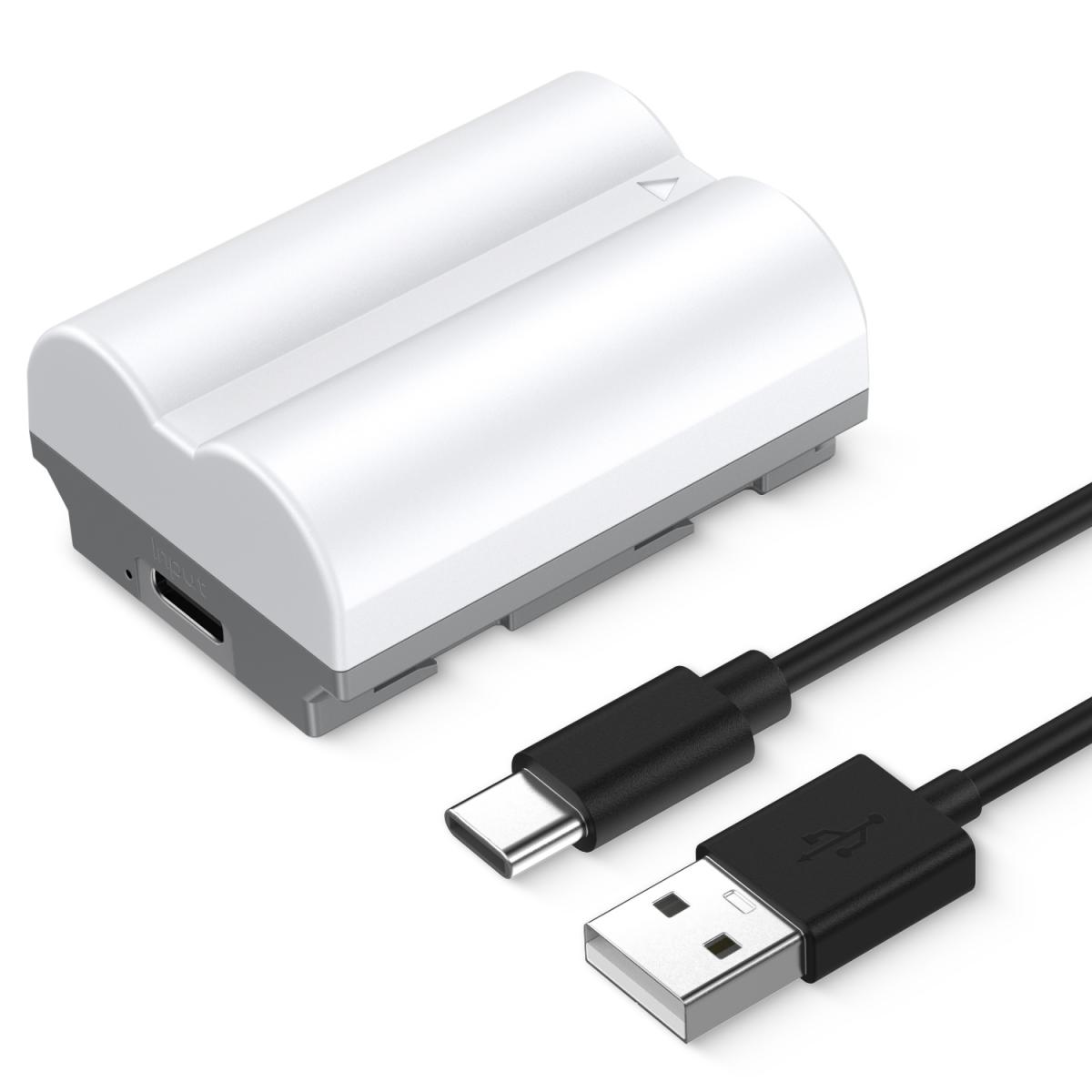
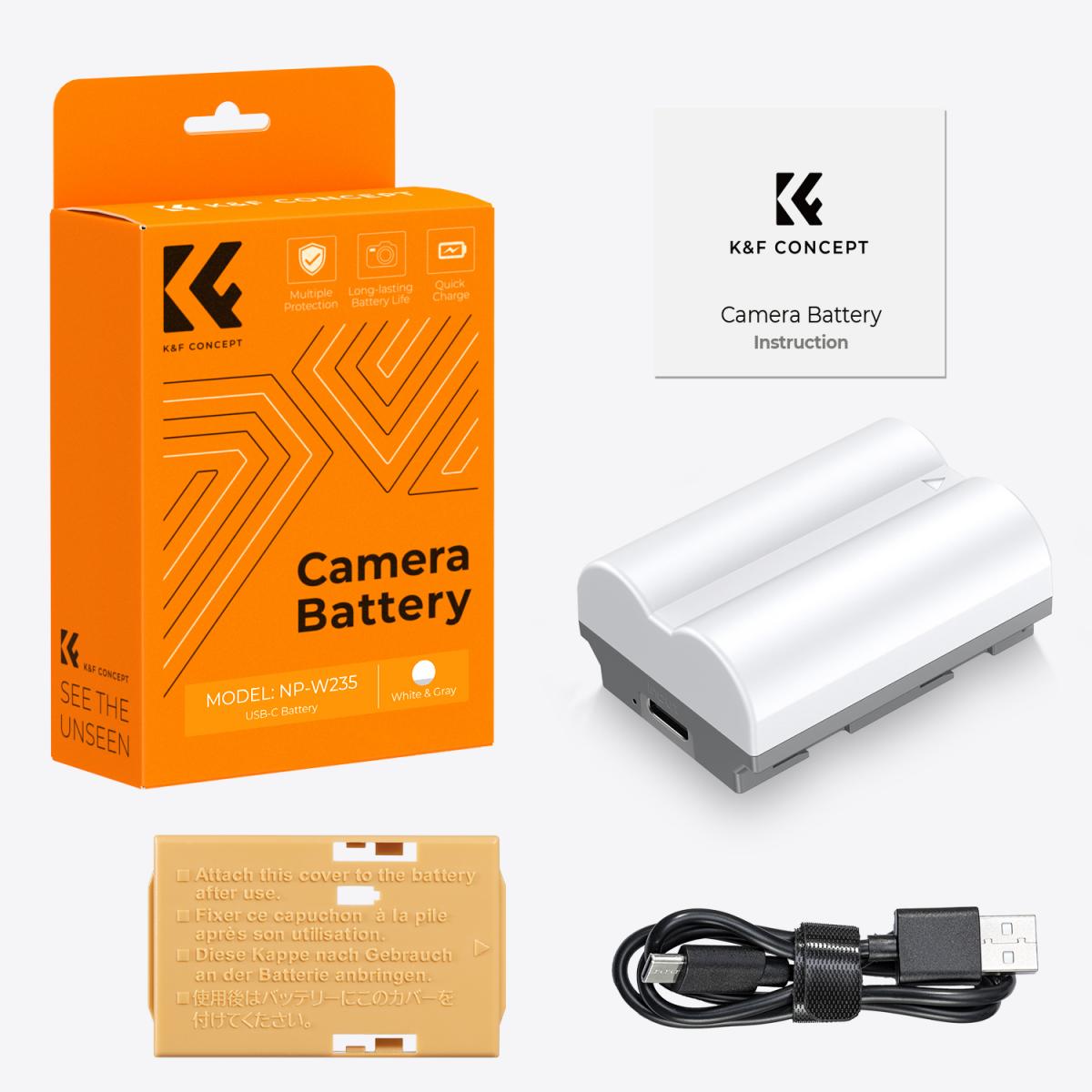
Modern camera work demands power solutions that adapt to how you actually shoot. This rechargeable lithium-ion cell addresses a persistent field problem: the need to carry dedicated charging hardware everywhere you go. By integrating USB-C charging directly into the battery itself, it eliminates an entire category of kit from your bag. Any USB power source,wall adapter, laptop port, car socket, portable power bank,becomes a charging station. The included USB-A to USB-C cable connects to whatever's available, whether you're working from a hotel room, a vehicle between locations, or a café table during a travel assignment. Fast-charge circuitry delivers a full cycle in approximately 2.5 hours when paired with a quality adapter, so downtime between shoots compresses to something manageable.
Capacity and Compatibility
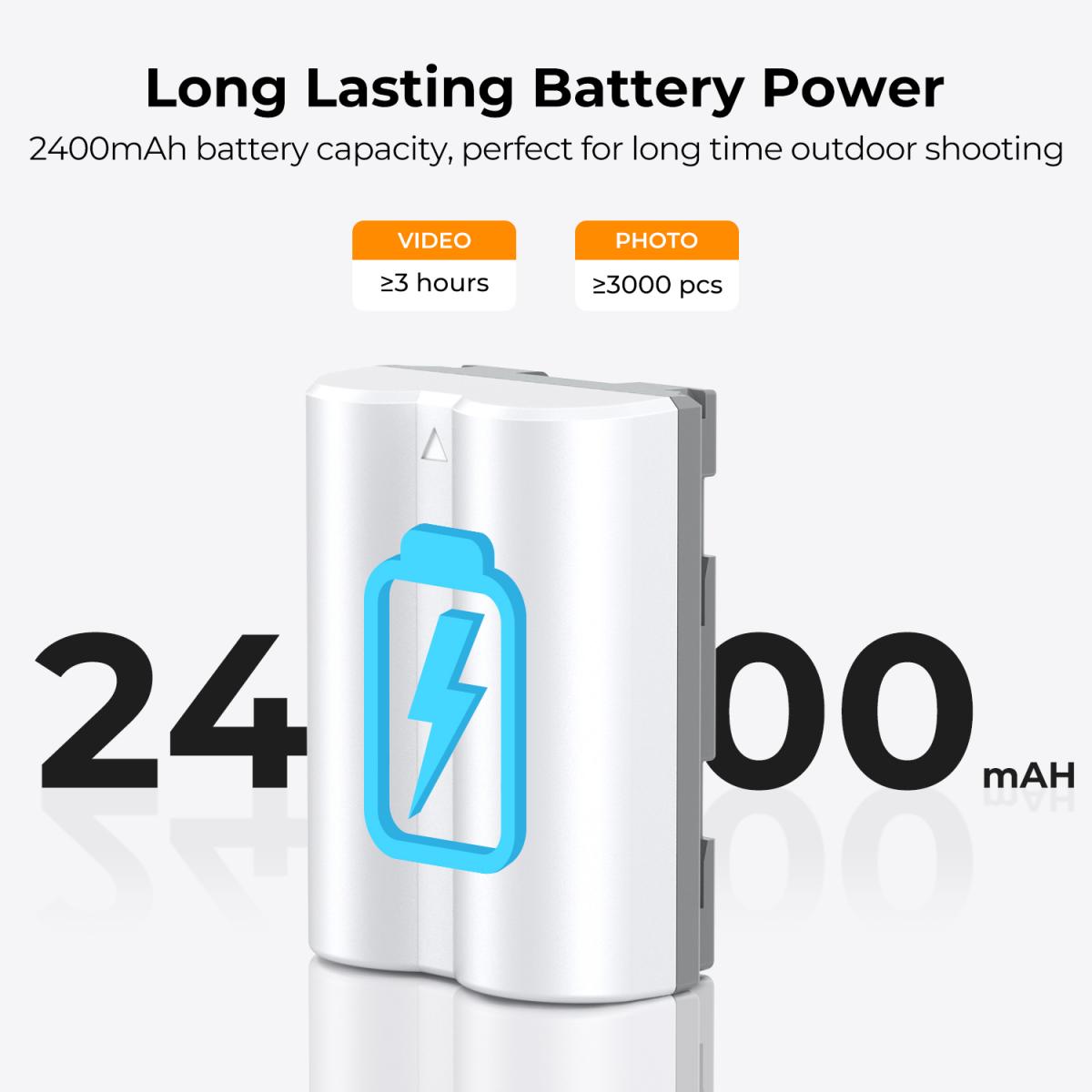
Rated at 2400mAh, this cell exceeds the original Fuji specification and provides the runtime margin that matters when you're committed to a full day's work. Battery depletion mid-shoot disrupts rhythm, forces hurried decisions, and creates the risk of missing unrepeatable moments,particularly problematic during events, documentary work, or any scenario where you cannot simply pause and regroup. Carrying multiple cells extends operational time without reliance on mains power, a necessity for remote shoots, multi-day travel, or any assignment where charging infrastructure is uncertain. This replacement fits the NP-W235 battery slot and works across Fuji's X and GFX camera lines, maintaining full compatibility with native power management and on-screen charge reporting.
Protection Architecture
Six integrated safety systems monitor cell behaviour in real time: overcharge prevention stops the charging cycle before voltage exceeds safe thresholds; overcurrent protection limits draw during high-demand bursts; overdischarge cutoff preserves cell longevity by preventing deep depletion; short-circuit detection isolates faults before they propagate; overheat sensing halts operation if internal temperature climbs beyond design limits; and overvoltage protection guards against irregular input. These layers operate transparently, requiring no user intervention, and address the failure modes that compromise cheaper alternatives. An LED indicator provides immediate status feedback,red during charging, green when complete,so you know at a glance whether a cell is ready or still cycling.
Lithium-Ion Performance Characteristics
Lithium-ion chemistry eliminates memory effect, the phenomenon where partial discharge cycles permanently reduce total capacity. You can top up opportunistically,between setups, during lunch, whenever a power source appears,without degrading long-term performance. The cell arrives with a partial factory charge and is usable immediately after a brief top-up, but optimal performance develops over the first three full discharge-recharge cycles as the internal chemistry stabilises. After that initial conditioning period, expect consistent output across hundreds of charge cycles. This longevity makes the cell a practical long-term investment rather than a disposable consumable.
Certification and Warranty
CE and RoHS certification confirm compliance with European safety and environmental standards, covering electromagnetic compatibility, electrical safety, and restriction of hazardous substances. These marks indicate third-party verification of design and manufacturing processes, not just self-declared compliance. The cell is backed by a one-year warranty covering manufacturing defects and component failures, providing recourse if the cell fails to meet specification during normal use. This coverage reflects confidence in build quality and offers protection against the risk inherent in any electronic component.
Field Reliability
A fully charged cell supports hundreds of exposures or extended video recording depending on camera model, shooting mode, and environmental conditions. Cold weather reduces runtime; continuous video drains faster than intermittent stills; live view and electronic viewfinder use draw more power than optical framing. Carrying two or three cells provides redundancy for a full working day under typical conditions, while four or more covers intensive shoots or multi-day assignments without mains access. The USB-C charging capability means you can cycle cells through a power bank during transit, maintaining a rotation of charged spares without waiting for access to wall power.
Practical Integration
This replacement integrates into existing Fuji workflows without adaptation. It occupies the same physical footprint as the original cell, fits the same battery grip slots, and communicates charge state to the camera's onboard metering. There is no learning curve, no compatibility quirk, no need to adjust shooting habits. The only operational difference is the addition of a charging port on the cell itself, which expands your options rather than replacing existing methods,you can still charge via an external charger if you prefer that workflow, or switch to direct USB-C when it's more convenient.
The K&F NP-W235 rechargeable camera battery,reference KF28.0025,delivers reliable power with the flexibility to charge from any USB source, backed by integrated protection systems and a one-year warranty.